Showing posts with label Car Tips. Show all posts

Getting the best deal on your car insurance

There are tried and tested ways to get the best deal on your car insurance. In these tough economic times, it makes sense to ensure that we find the best possible price for all major purchases. Just as you would research into the best savings rates available before selecting which savings account you would like to open, you should do your utmost to source the best deal on the products and services you use on a day-to-day basis.

Car insurance is one of those things that can see unsavvy consumers spend way over the odds year after year, purely because they’re unaware that there are better deals out there. The biggest mistake people tend to make when it comes to car insurance is signing up with a provider and then sticking with them year after year, assuming that they’re offering the best price with every renewal. That simply isn’t the case – once car insurance providers have you on their books they’ll play on your loyalty and charge you a higher premium in subsequent years than they would charge new customers.

The way to combat this, of course, is to shop around every year when it comes to car insurance renewal time. Yes, it’s more hassle to seek new quotes every year than to simply let your old policy auto-renew – but when you take into consideration the hundreds of pounds you could be saving by switching it becomes a bit of a no-brainer.

Luckily, it’s possible to acquire a whole host of car insurance quotes in a matter of minutes nowadays by using one of the many online comparison sites. Once you enter some basic information about you and your vehicle, these sites will provide you with a long list of insurance options, allowing you to pick out the one that suits your needs best.

One thing to remember, however, is that some of the big insurance providers don’t provide quotes via comparison sites, so to get the full picture you’ll need to go direct to their websites or give them a call to find out their best price.

When it comes to significant expenses such as car insurance, cashback sites – such as topcashback and quidco are incredibly handy tools. If you visit your insurance provider’s website via a cashback site link, the site in question receives a commission from the insurance company. The cashback site then passes a percentage of that payment directly back to you as the consumer as a ‘thank you’ for earning them commission. Depending on the deal, the cashback generated by going through one of these sites can make a huge difference to the cost of your insurance.

As long as you do your research you should be able to make big savings on your premium, so head online and get the best deal you possibly can.

How to Haggle and Save Hundreds on a New Car


Buying a car can be one of the most expensive decisions we make, and yet far too many of us end up paying over the odds for a new set of wheels. In the current uncertain climate, it's more important than ever to get a good price on your reliable run-around - or sporty little number - and one of the easiest ways of doing this is by haggling.


Don't be afraid of negotiating a better deal

However, new findings show that of the 1.14 million (*) people planning to buy a brand new car between September 2009 and February 2010, 121,000 (*) do not plan to bargain down the price they pay. This is despite the fact that - depending on the car - you could get a discount of up to 50 per cent (**) on the list price.

In fact, figures suggest the average discount you should be aiming for on a brand new car is around £1,893 (***) which means that overall, British motorists could save themselves a huge £229 million (*) over the next six months.


Seize the opportunity to drive a hard bargain

Few of us enjoy haggling, but there's no time like the present to cast off your inhibitions and try your luck, as despite the Government's scrappage scheme - introduced in May offering “cash for bangers” - the car industry is still going through a difficult period. (See: Buy a new set of wheels as discount deadlines loom.)

With figures showing that the sales of new cars in September were down 20 per cent (****) on previous years, this really is the perfect time to put your bartering skills into practice.

“Now is a good time to negotiate a significant discount on the price of a new vehicle,” says Steven Baillie from Sainsbury's Finance. “With typical British reserve, many of us don't haggle hard - despite the big savings that can be made. We'd urge buyers to give it a go.”


Homework is the key to confidence

Haggling may be an art, but it doesn't have to be difficult - here's our top tips to steer you through the process:

  • Do your research - knowing the discount you want to aim for will help you haggle more effectively, so make sure you're armed with as much information as possible.
  • Set a budget - enter into negotiations with a fixed idea of the car you want and the amount you're happy to spend - and stick to it.
  • Pick your person - identify the right person to negotiate with and be courteous; your chances will improve if they like you.
  • Show no emotion - try and keep your excitement in check when you're haggling, as if you look too keen, the dealer may be less willing to negotiate on price.
  • Ask for extras - if you can't persuade staff to give you a discount, try and get additional features thrown into the deal, such as a better car stereo.


Pick your moment

If you're planning to haggle, it's worth thinking about timing, as you can often pick up a good price on a new car just before the introduction of new registration plates, as cars left over from the previous registration become less attractive. Similarly, one of the best times to get a great deal on an old model is when manufacturers are introducing a new one.


Learn when to quit

One of the key elements of successful haggling is knowing when you have got a good deal and not pushing your luck. At the same time, if you're not able to strike a deal, it's equally important to know when to walk away - and to show that you mean business; after all, there are always other cars.

Top tips to drive down the cost:

As well as haggling, there are some other simple steps to make a tidy saving:
  • Shop around for the best deal on a loan.
  • Consider a 0 per cent finance deal from your car dealer - but note you may have to pay a hefty deposit
  • Do the maths to work out if a leasing deal will be cheaper.
  • Look at cars that have been pre-registered, as you essentially get a nearly brand-new car at a second-hand price.
  • If you have an exact model in mind, check out an internet-based car broker.

Notes:

(*) Sainsbury's Finance
(**) Car broker Broadspeed.com
(***) What Car? Target Price 2009
(****) Society of Motor Manufacturers and Traders (SMMT), September 2009

Sourced from Confused.com Haggling Tips for buying new car

8 Great Car Security Tips

In the UK, car crime is a depressingly common occurrence – and partly responsible for the price we pay for car insurance. But there are plenty of security measures that can easily be taken to help prevent you from becoming a victim – and what’s more, some of these measures could also get you a reduction in the cost of car insurance.


1. Car Alarm

Car alarms aren’t just about waking the neighbours at three in the morning when a big lorry trundles past, they’re also about alerting you to the fact that some unscrupulous so-and-so could be meddling with your motor. Although they can’t physically stop a car (or valuables kept inside) from being stolen, a thief will likely think twice before tackling a set of wheels that he or she knows will get everyone’s attention if the alarm’s set off. The threat of a piercing sound and flashing lights is a powerful deterrent, and some alarms also come with a pager to alert you if they are activated. Most modern cars come pre-equipped with an alarm, but if you drive an older vehicle, getting an alarm professionally fitted will help secure your car and could result in cheaper car insurance.


2. Car Immobiliser


An immobiliser is an electronic device which prevents a car from being started by someone who doesn’t have the proper key. Although an immobiliser won't stop a car from being broken into, it may stop it from being stolen. And even if a thief can somehow start an immobilised car, the extra time this would take would very likely dissuade them from even attempting it.

Since 8 October 1998, all new UK cars have had immobilisers fitted as standard, but if you drive an older car, getting an immobiliser professionally fitted will help secure your car and could mean cheaper car insurance.


3. Car Tracking Systems


Car tracking systems require a transmitter to be hidden in your car. If stolen, the vehicle can then be tracked and recovered. There are two main types of tracker: GPS systems can find your car whilst it’s at street level, and VHF systems can find your car even if it’s hidden in an underground car park or storage container.

However, tracking systems can be quite expensive, often requiring a significant monthly subscription charge.


4. Steering Locks/Gearstick & Handbrake Locks


These tough metal locking devices prevent the steering wheel, gearstick or handbrake from being used when the car is not in use. They are relatively cheap to buy (prices start at around £20), but in general, the more you pay, the better the security.

Although not impenetrable to a seasoned car thief, the real value of these locks is as a visual deterrent. Their bright colour (sometimes with flashing lights) lets a thief know that this car will take longer to pinch, so they may as well move along and try their luck on an easier steal.


5. Secure Parking


If your home has a driveway, or better still a garage, then use it. Cars parked off-street are far less likely to be stolen than those parked on the road. When away from home, try and leave your car in a secure car park – one with a ticket barrier or attendant.

If you have to park on the street, do so in a busy, well-lit area, and if at all possible, beneath the gaze of a CCTV camera.


6. Hide Valuables

It’s not just car thieves you have to worry about, there are plenty of crooks out there who are simply after your valuables. Therefore, never leave expensive goodies out on display within your car - it’s just too tempting for the opportunistic thief.

Sat Navs, mobile phones, CDs, laptops, briefcases, jackets and sunglasses are all fair game – so make sure you hide them out of sight in the glove compartment or boot.


7. Don’t Forget to Lock Your Car


This may seem like a no-brainer, but plenty of cars get stolen as a result of forgetful owners. Even if you’re only leaving the car for a short while – at a petrol station, for instance – your vehicle, or any valuables left on the seat, are at a very real risk of theft. The same goes for windows and sunroofs – always close them when you leave the car, no matter how short a time you’re away (the exception, of course, is if you have a pet on board – in which case just leave a small gap). But worse than leaving a car unlocked is leaving a car unlocked and with the key still in the ignition – that’s just making a car thief’s job too easy. So try and get into the habit of checking the door handles every time you leave the car. One more thing – once you get home, don’t leave the car keys on a table near your front door. Thieves have been known to pop a coat hanger through the letterbox to hook the key ring.


8. Marking/Etching


Marking and Etching are ways of stamping your car with a unique identifier. Marking can be as basic as writing on various parts with an ‘invisible’ ultra-violet pen, or as sophisticated as covering the car with thousands of micro dots – each encoded with your identifiable details.

Etching involves ingraining your car’s serial number or registration number into the windows and light covers of your car. Of course, none of these methods will stop your car being stolen, but they can act as a deterrent and will certainly help make it more recoverable if stolen.

And finally...

...if you’re thinking of buying a car, you can get an idea of how safe and secure it is by checking out its Thatcham New Car Security Rating. And don’t forget to protect your car even further by covering it with comprehensive car insurance.

Top 10 UK Car Country Drives

UK top 10 best car road drives - forget speed cameras, roadworks and traffic jams: blow away the cobwebs with the best British country drives. Stuck in a rut of the daily commute? Leave the hustle and bustle behind and head for the British countryside. Even in these congested times, the UK has plenty to offer in terms of scenic drives and cracking roads; you just need to know where to find them. Here we show you the route to happiness with the top ten British country drives…

1. Hebrides
It may take a bit of effort to get there, but the Isle of Skye is an unspoiled haven within the Inner Hebrides.

Take the A87 from Portree - it skirts the coastline round the island and turns into the A855. There are numerous single-track roads for the really keen, while the harbour at Portree is perfect for a few snaps. There’ll be something for drivers and sightseers alike.

2. Northumberland
The North East has more than its fair share of rugged coastlines and spectacular scenery.

Start at Berwick-upon-Tweed (taking in the view of Lindisfarne) and head south to Alnwick. Pick up the B6431, which turns into the B6432, skirting Northumberland National Park. Stop for a brew at Farlam Hall in Brampton and marvel at the feat that is Hadrian’s Wall.

3. Lake District

The Lake District’s twisty country lanes are a driver’s delight - if you can avoid the peak of summer.

The B5289, just outside Cockermouth in Cumbria, loops around Derwentwater to picturesque Keswick. Stretch your legs with a walk through the Lake District National Park, then head south to Hardknott Pass - the steepest road in England. You’ll end up in the Victorian town of Ambleside for a well-deserved cuppa.

4. Peak District
Perfect for a family getaway, Britain’s first national park offers magnificent views of peaks and valleys in almost every direction.

To get the most out of them, you can’t do much better than the A57 from Glossop. Wind your way over the Moorland for miles, keeping an eye out for the Ladybower, Howden and Derwent Reservoirs. Finish up at Bakewell for, you’ve guessed it, the essential Bakewell Tart! If you’re taking little ones with you, take a look at Confused.com’s Guide to Keeping Kids Happy on Long Journeys.

5. Isle of Wight

This often-overlooked nugget of seaside delight is only half an hour from the mainland.

The Military road runs across the south coast of the island, following the sea cliffs as they look out over the English Channel. Rising and falling, they’re ideal for a slow cruise or an enthusiastic sprint. The road itself was part of the Palmerston Forts, built in the 1860s, in response to the perceived threat of French invasion.

6. Cotswolds
Burford, just 16miles west of Oxford, is one of England’s prettiest medieval towns.

The 1000 locals will welcome you as you partake in the delightful high street and quaint shops. From there, pick up the B4425. You’ll enjoy a fabulous fast and flowing open road for almost 15 miles before you reach Cirencester. Unwind and explore the weekday markets and renowned Corinium Museum.

7. Suffolk
Situated in the east of the UK, Suffolk offers some architectural delights, while the rural roads provide some challenging routes once you head off the beaten track.

Castle Hedingham

Follow the A12 south out of Ipswich, through the delightful Vale of Denham, before heading to Sudbury and picking up the B1058 towards Castle Hedingham. This, and the subsequent B1053 and B1057, loop around Saffron Walden – explore Audley End, one of the most ostentatious Jacobean houses in England.

8. North Wales
Find yourself in the right part of Wales and you can enjoy some of the best roads the UK has to offer.

Start at Bala and take the A42122 through the heart of Snowdonia. Head through Porthmadog and Pwllheli along the south coast of the Lleyn Peninsula, then back up along Caernarfon Bay. If you’re really keen, head north to Anglesey, and try out its race circuit, which looks out over the Irish sea.

9. Dorset
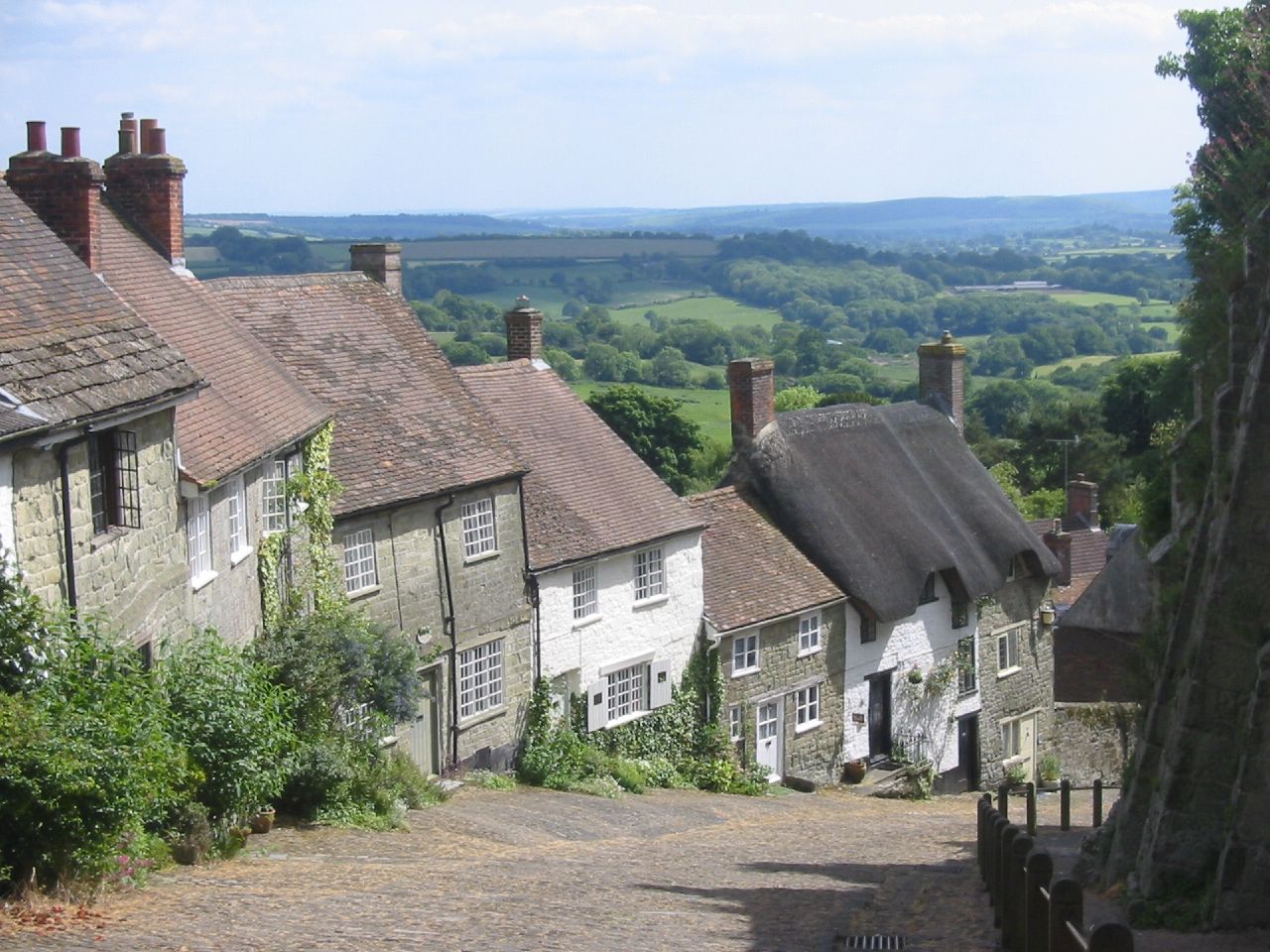
Take pleasure in the stunning views on offer in Dorset. Enjoy the traditional seaside town of Weymouth before following the coastal road up to the A352, visiting the iconic Lulworth Cove.

Gold Hill, Shaftsbury, Dorset

Head into Poole and explore its natural harbour, the second largest in the world, before looping back along the A35 through Tolpuddle to Dorchester - the home of Thomas Hardy and the Dorset County Museum.

10. Cornwall
A part of the UK not to be missed, head south along the coast from Bodmin to Lizard Point, and across to Land’s End. From there, drive north through the popular beaches of St Ives and Newquay.


For one final flourish, follow the A30 out of Bodmin again and head over the challenging moor roads, but be prepared for the Brown Willy effect: a localised weather phenomenon that brings heavy rain and flash flooding. Check out the amazing Cornwall Sunrise if you get the chance!

Country roads may take a bit of negotiating. Before you leave the hustle and bustle behind, make sure your car insurance is up to date and you’re covered for breakdown.

Top 4 Things to Remember when Buying a Second-Hand Car

Despite Labour's recently announced ‘Scrappage Scheme', in which car owners can get a discount on a brand new vehicle due to contributions from the seller and the government itself, many UK motorists are still eager to purchase a second-hand vehicle. However, the process of buying and owning a second-hand car is renowned for its pitfalls and difficulties, so how can you be sure paying less now will be worth it in the long run. Here are my top 4 things to remember when buying a second hand vehicle.

4. Web Research
Researching online does not stop at searching for the perfect wheels, however this is becoming even more efficient as we are now able to browse by manufacturer, cost, size - as well as information that details how much value your vehicle is likely to lose over time. Additionally, it is now easier than ever before to compare prospective car insurance prices via comparison websites, before you hand over your cash.

3. AA check
After you have found a vehicle you like, there are extra tools online that can help you confirm whether the car has had a shady past or not. The car data checks at theaa.com will provide you with a background history of a vehicle: including whether any finance agreements have been recorded, whether the car has been written off, registration details and past owners, vehicle identification number and a mileage check. They charge £20 for a single vehicle and £25 for up to five.

2. Consider running costs
Aside from the cost of the vehicle and its insurance, be sure to consider running costs such as tax and petrol consumption. In the wake of the credit crunch, finance assistance such as personal loans and ‘higher purchase deals' via the dealership may well be harder to acquire as lenders are now more stringent when it comes to credit checks etc. Work out a budget that relates to all the aforementioned costs of your new vehicle.

1. Take someone along with you
Additionally, one way you can be sure that you are getting the best price is to be confident when it comes to negotiating a price with the seller. If you don't relish the challenge of haggling, take someone along with you who does. Having a friend with you is also good for a second opinion and better still if they have some expertise when it comes to second-hand cars too.